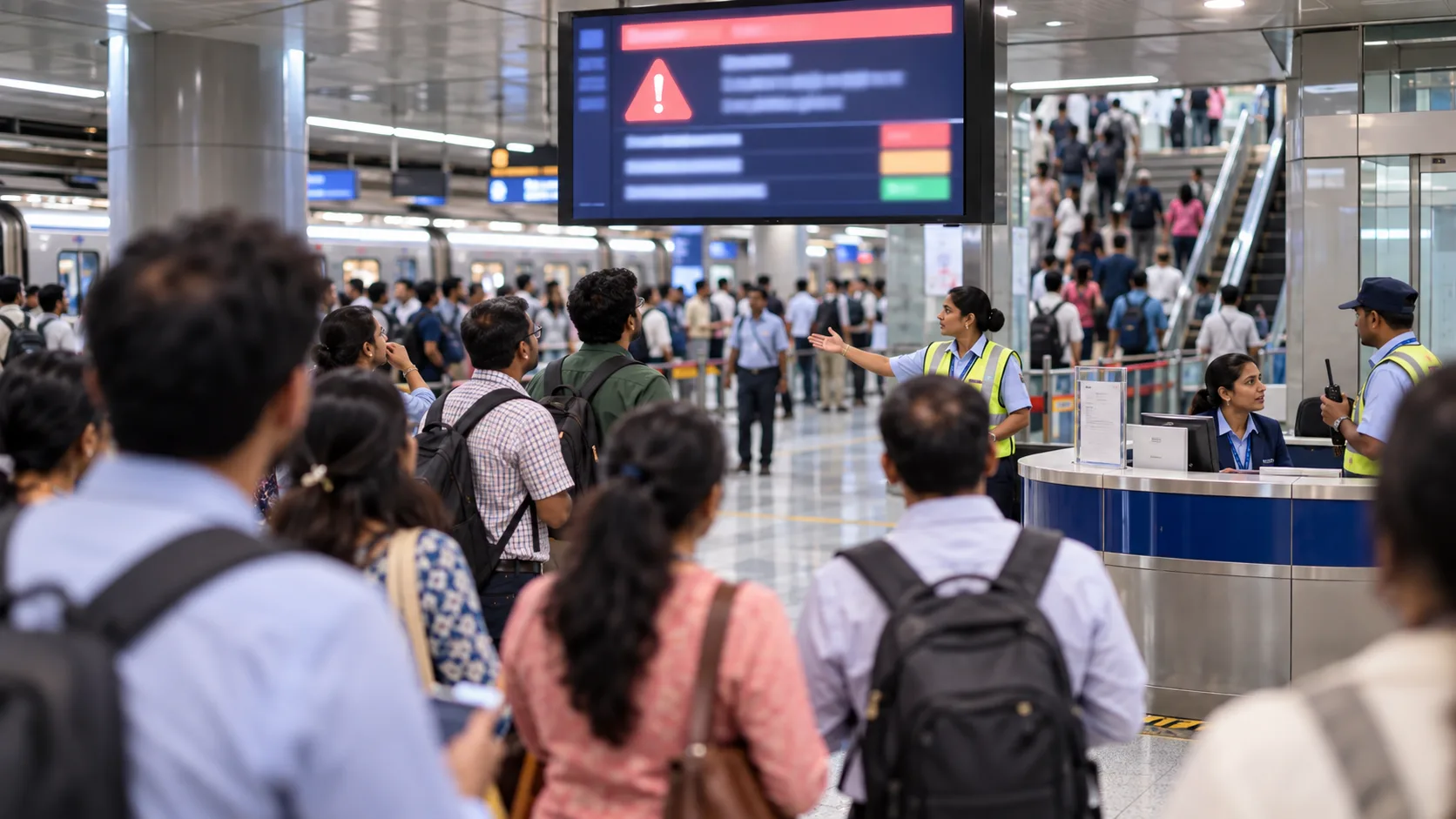
Delhi Metro Protest Case: DMRC Tells Supreme Court 258 Stations Stayed Operational
In its compliance affidavit, DMRC told the Supreme Court that train services were not curtailed during the October 10 protests and that entry or exit restrictions affected 45 of 303 stations.
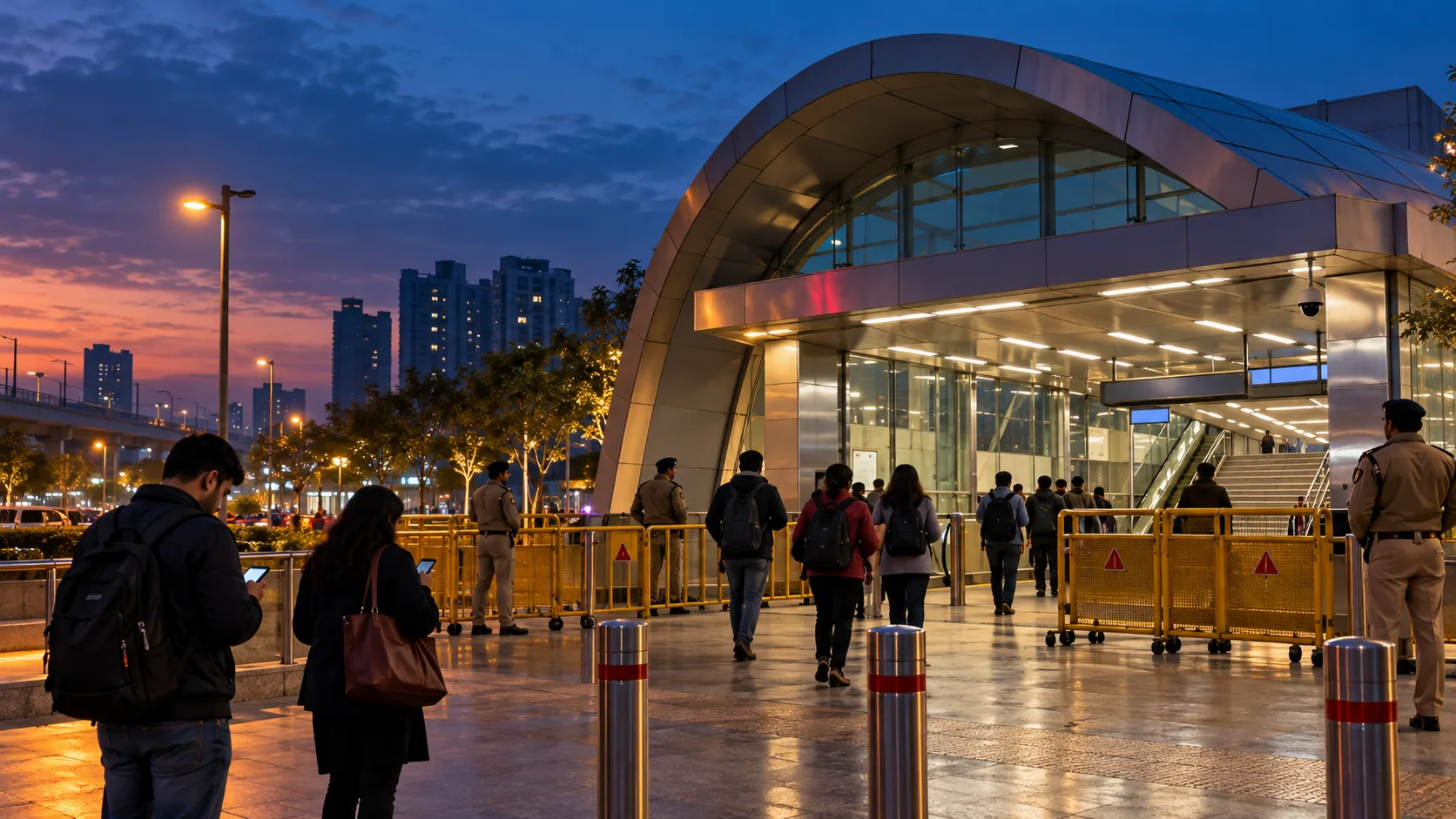
The Delhi Metro restrictions during the October 10 protest have reached the Supreme Court, where the Delhi Metro Rail Corporation has filed its account of operations. In its compliance affidavit, DMRC said Metro train services were not cancelled or curtailed and that 258 of the network’s 303 stations remained fully operational and accessible.
What DMRC told the court
According to the affidavit reported on October 14, entry and exit restrictions were imposed at 45 stations after assessments by law-enforcement agencies. DMRC said all 4,157 scheduled train trips were operated with 271 trains inducted into service. The corporation also said approximately 32 lakh passengers travelled on October 10, compared with about 58 lakh on a normal second Saturday.
The figures are part of a compliance report filed after the Supreme Court considered concerns about restrictions on Metro and railway movement ahead of the protest. The court had said that public transport could be regulated for public-order reasons but should not be subjected to a complete prohibition.
Why the distinction matters for commuters
A station-entry restriction is different from a cancelled train service. A train may continue moving through a station while passengers are unable to enter or exit there. Interchange access and the availability of nearby stations can also change the practical effect of an advisory. This is why commuters should read the current DMRC service message rather than infer network-wide closure from a forwarded list.
What passengers should check
Before travelling to central Delhi or a major railway station during a demonstration, check the official DMRC service status, the station-entry notice and the road-traffic advisory. Keep an alternate station in mind and allow extra time for walking or security checks. The operational position can change if law-and-order conditions change.
The Supreme Court is scheduled to hear the matter further. This report describes DMRC’s affidavit and does not treat the corporation’s submission as a final judicial finding. Any new court direction or DMRC advisory should take priority over this update.