
Why US Metro service notices use time windows instead of one daily status
Track work and incidents may affect only a few hours, one direction or one station. Time windows help riders plan the exact trip instead of treating a line as closed all day.
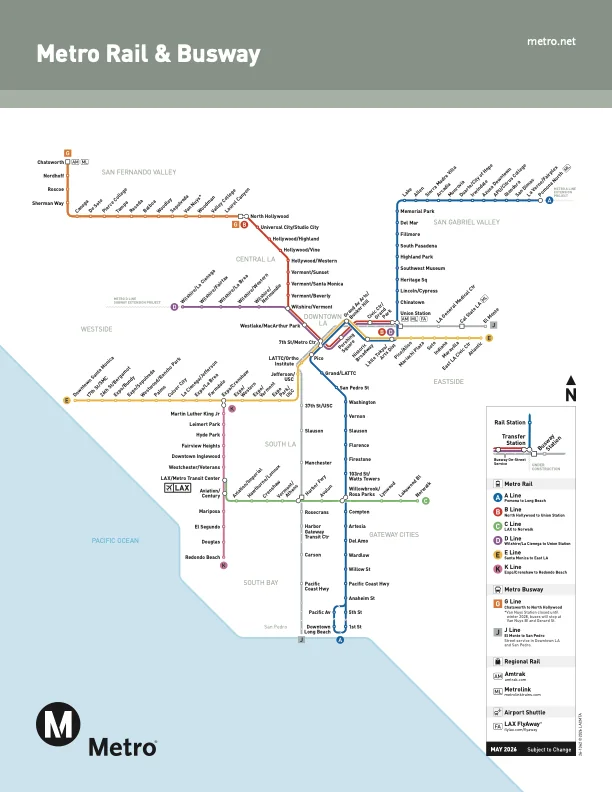
A Metro line is a large system, but a planned work window may affect only a segment or a direction. That is why agencies publish start and end times rather than a single all-day label.
What readers should know
The time window tells riders whether the outbound trip, return trip or both may be affected. Station-specific language can also indicate that trains continue to pass while passengers cannot enter or exit normally.
Practical takeaway
Match the alert to the exact time and direction of travel. Check the return journey, read any shuttle instructions and refresh the page if the trip is close to the end of the notice window.
What riders should separate
Transit information usually has two layers: the published network map and the live operating notice. A map explains the normal route, stations and connections, while an alert may temporarily change the platform, frequency, entrance or transfer arrangement. Construction milestones also need careful reading because a project opening, a test service and regular passenger operation are separate events. The safest way to use a news update is to understand the change and then check the operator’s current advisory before starting the trip.
Planning around an alert
Read the effective date and time window first. Then check whether the notice concerns a full line, selected stations, a direction, a weekend period or a single entrance. Allow time for an accessible route, a second connection or a short walk if elevators, escalators or platforms are affected. Airport and event trips deserve extra margin because a missed connection can create a larger delay than the original service change.
Rider checklist
Save the agency’s alert page, compare it with the current map, confirm the last connection and recheck the notice shortly before departure. The focus of this guide is metro alerts, mta, transit service in new york; exact service details should always come from the relevant transit agency.